Get Subpanel Installation
Subpanel installation services help property owners add or upgrade electrical capacity for renovations, additions, or improved safety by connecting with local contractors skilled in electrical work.
If you’re considering subpanel installation, you’re in the right place to explore your options. Property owners in the area often look into adding a subpanel to better manage electrical loads, expand their power capacity, or improve safety and organization within their property. Planning a project like this requires understanding the available solutions and selecting a trusted contractor who can handle the work efficiently and reliably. Keep reading to discover how local service providers can support your electrical upgrades with professional expertise tailored to your needs.
Comparing local contractors for subpanel installation ensures you find the right fit for your property’s requirements. Whether upgrading an existing electrical system or preparing for new appliances and additions, working with experienced professionals can make the process smoother. By exploring your options and connecting with trusted service providers, property owners can make informed decisions that help achieve their electrical project goals effectively.
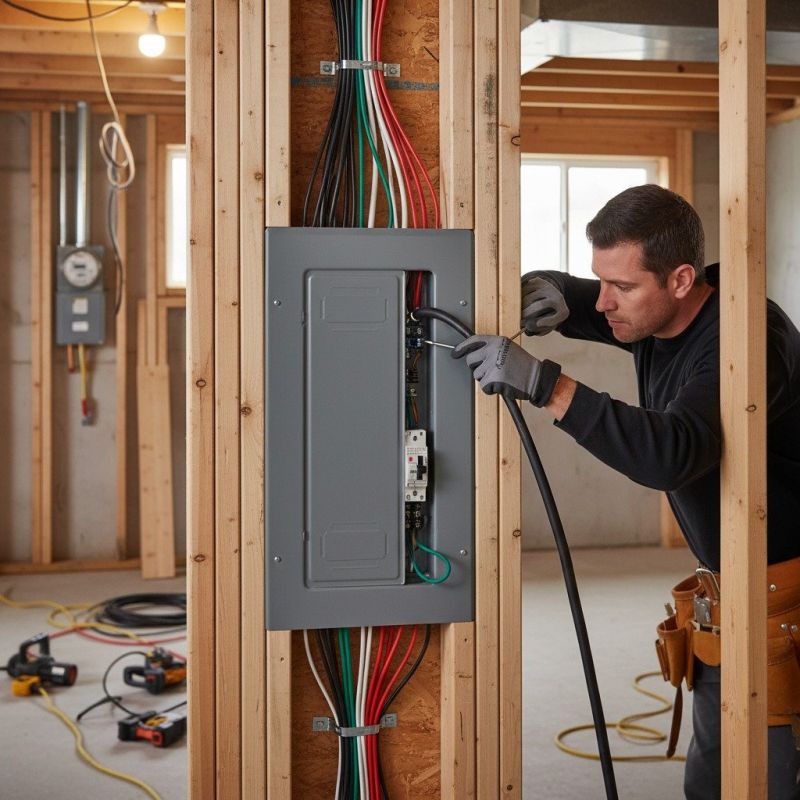
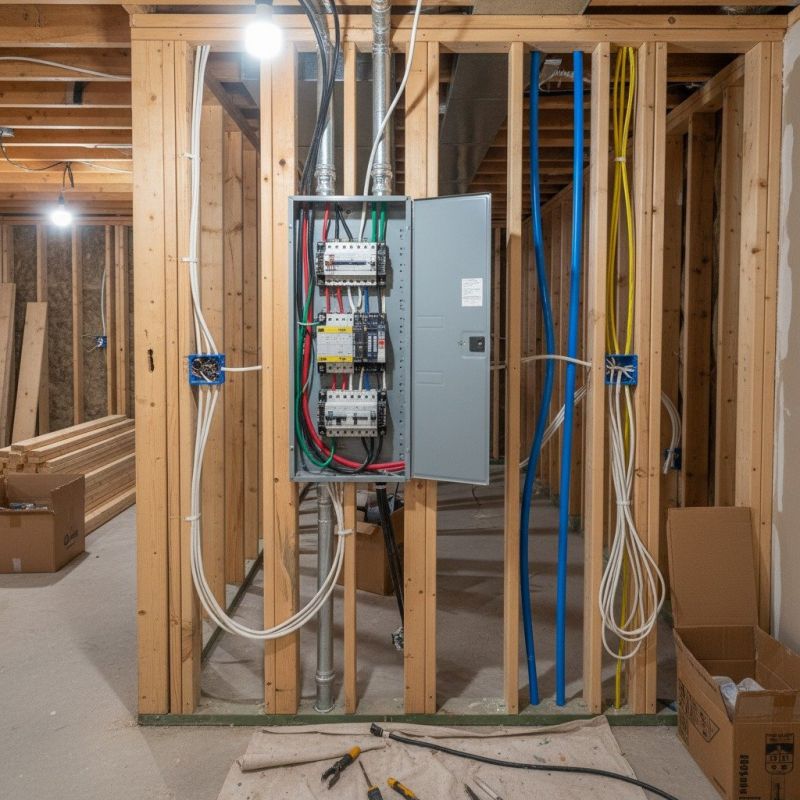
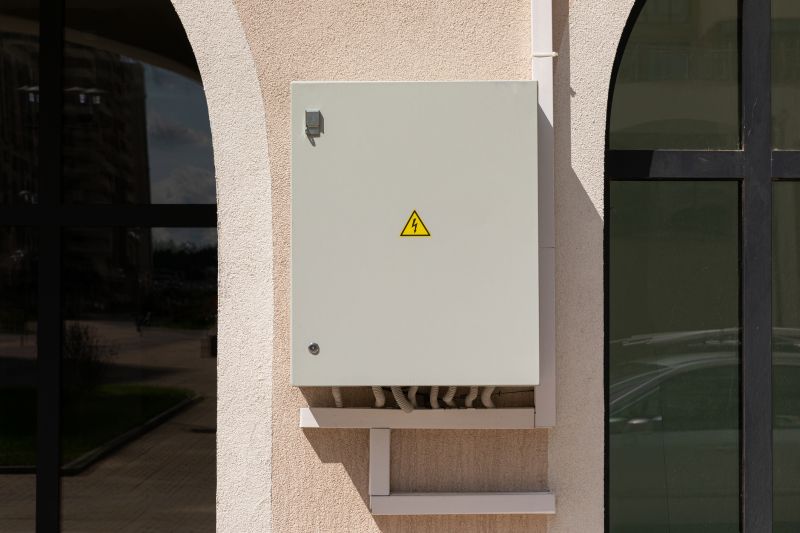
Subpanel installation services involve adding an auxiliary electrical panel to a property to better manage and distribute power. This process typically includes installing a secondary panel connected to the main electrical system, allowing for more circuits and improved electrical organization. It is a practical solution when existing electrical panels are overloaded or unable to support additional appliances, equipment, or renovations. Skilled service providers ensure the new subpanel is properly wired and integrated, helping to enhance the safety and functionality of the electrical system within a home or commercial property.
One of the primary problems subpanel installation addresses is electrical overload. As homes and businesses add more devices and appliances, the main electrical panel can become overwhelmed, leading to frequent circuit breakers tripping or potential safety hazards. Installing a subpanel helps distribute electrical load more evenly, reducing the risk of overloads and improving overall electrical reliability. It also simplifies future upgrades or expansions, making it easier to add new circuits without overburdening the main panel. This service is especially useful during renovations, additions, or when installing high-demand appliances like HVAC systems or large kitchen appliances.
Properties that commonly utilize subpanel installation include larger homes, multi-unit buildings, and commercial spaces. Homes with extensive electrical needs often require additional panels to accommodate multiple circuits for lighting, outlets, and appliances. Multi-family dwellings or rental properties benefit from subpanels to manage separate electrical loads for individual units. Commercial properties, such as retail stores, offices, or warehouses, frequently rely on subpanels to support specialized equipment or to meet the demands of increased electrical capacity. Service providers can evaluate the specific needs of each property to determine the appropriate type and size of the subpanel, ensuring it aligns with the property’s electrical requirements.
Homeowners considering a subpanel installation should look for local contractors experienced in electrical work who can assess their current system and recommend the best solution. This service can be particularly beneficial when planning renovations, adding new rooms, or upgrading outdated electrical infrastructure. By working with qualified local pros, property owners can ensure the installation is performed safely and efficiently, helping to prevent future electrical issues. Contacting experienced service providers is a practical step toward enhancing electrical capacity, safety, and flexibility for a wide range of property types.
The overview below groups typical Subpanel Installation projects into broad ranges so you can see how smaller, mid-sized, and larger jobs often compare in your area.
In many markets, a large share of routine jobs stays in the lower and middle ranges, while only a smaller percentage of projects moves into the highest bands when the work is more complex or site conditions are harder than average.
Smaller Repairs - Typical costs for minor subpanel repairs or upgrades usually fall between $250 and $600. Many routine jobs in this range are common for local contractors handling simple fixes or upgrades. Larger, more complex projects can exceed this range but are less frequent.
Standard Subpanel Installations - For standard installation of a new subpanel, costs generally range from $800 to $2,500. Most projects in this category fall within this middle band, depending on the size and complexity of the electrical setup.
Full Subpanel Replacement - Replacing an existing subpanel with a new unit typically costs between $1,200 and $3,500. Many homeowners see costs in this range, though larger or more customized installations can push beyond $4,000.
Large or Complex Projects - Extensive subpanel work, such as adding multiple circuits or integrating with a major electrical upgrade, can reach $5,000 or more. These projects are less common but handled by local contractors for larger residential or commercial properties.
Actual totals will depend on details like access to the work area, the scope of the project, and the materials selected, so use these as general starting points rather than exact figures.
Electrical Panel Upgrades - Professionals who install or upgrade electrical panels often have the skills needed for subpanel installation, ensuring proper setup and safety compliance.
Home Wiring Projects - Contractors experienced in home wiring work are familiar with electrical planning and can handle subpanel placement as part of larger wiring upgrades.
Garage or Basement Electrical Services - Installing electrical systems in garages or basements involves similar planning and wiring skills used in subpanel installations.
Electrical System Rewiring - Rewiring projects require detailed knowledge of electrical circuits, which is also essential for effective subpanel setup.
Outdoor Electrical Installations - Setting up outdoor electrical outlets and systems involves planning and safety measures comparable to subpanel installation work.
Generator Hookup and Integration - Connecting generators to existing electrical systems involves understanding circuit loads and connections similar to subpanel installation processes.
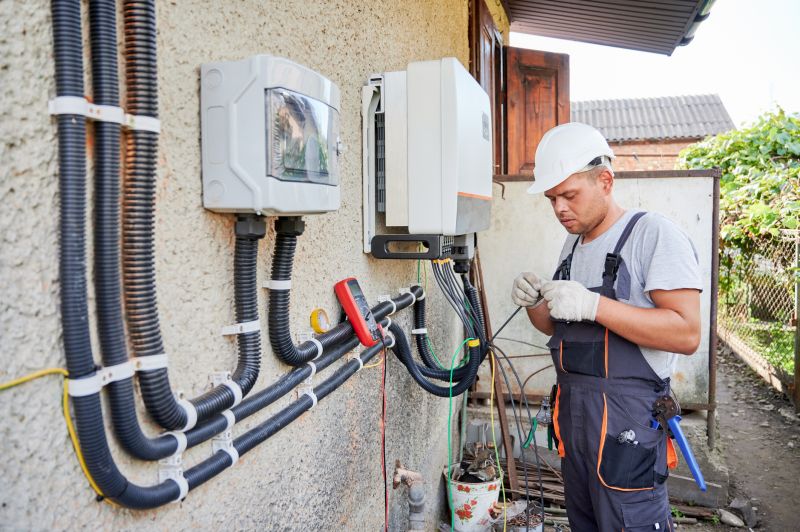
When evaluating service providers for subpanel installation, it’s important to consider their experience with similar projects. Homeowners should inquire about how many installations they have completed that match the scope and complexity of the work needed. A contractor with a proven track record in handling subpanel upgrades or new installations can offer insights into potential challenges and solutions, helping to ensure the project proceeds smoothly and meets safety standards.
Clear written expectations are essential when comparing local contractors. Homeowners should seek detailed descriptions of the services included, the materials to be used, and the scope of work. Having this information in writing helps prevent misunderstandings and provides a basis for comparing proposals. It also allows homeowners to confirm that all aspects of the installation are covered and that there are no hidden costs or assumptions, leading to a more transparent and stress-free experience.
Reputable references and effective communication are key indicators of a reliable service provider. Homeowners can ask for contacts from previous clients who had similar work done and inquire about their satisfaction with the process and results. Good communication from the contractor-such as prompt responses to questions and clarity in explanations-can make the entire project more manageable. While the site introduces homeowners to local options, it’s important to remember that the actual installation will be handled by qualified local contractors who can demonstrate their experience, reliability, and professionalism through references and clear communication.
Property owners use Subpanel Installation services for practical projects around their homes and businesses. This guide focuses on everyday jobs and straightforward project options.
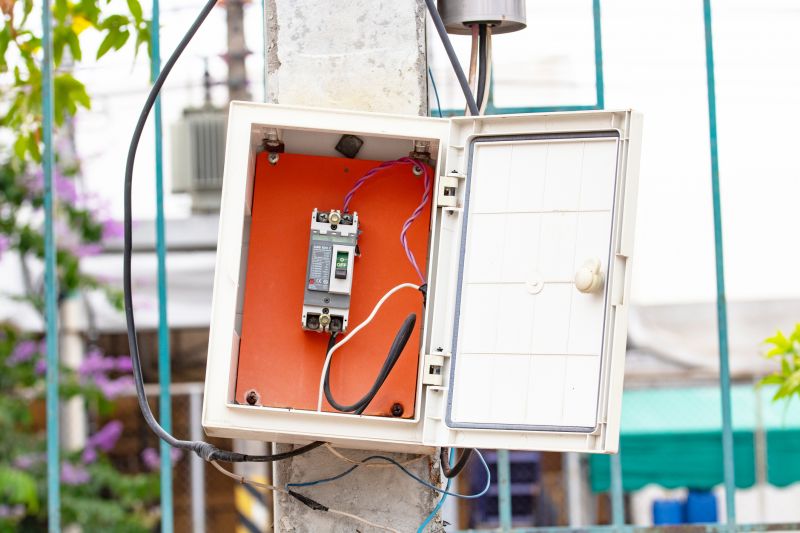
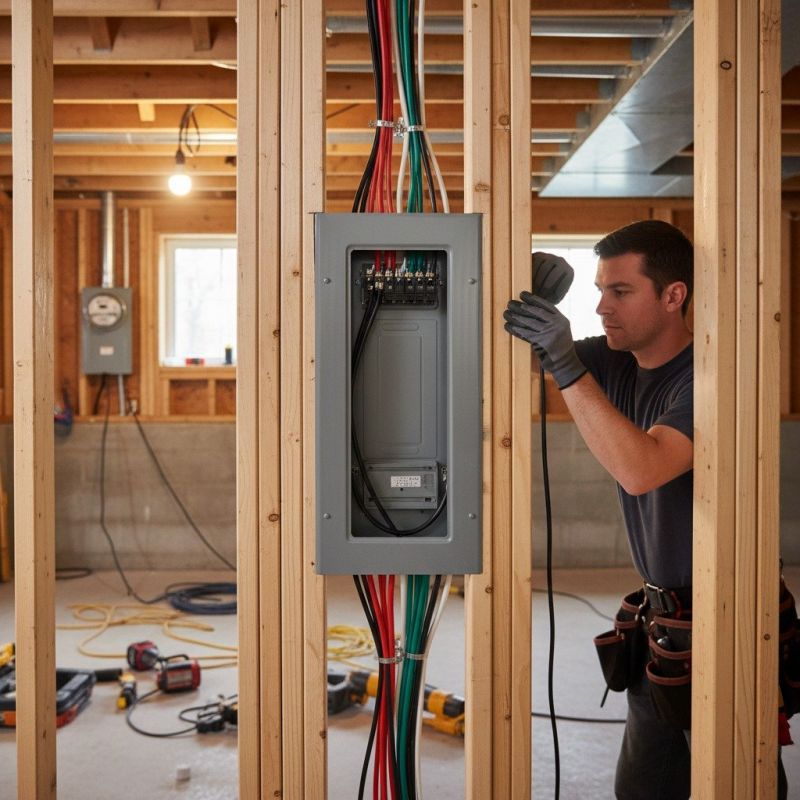
Subpanel installation services are commonly needed when property owners in the area are expanding their electrical capacity, upgrading their existing system, or adding new appliances and equipment. Homeowners and business owners might seek these services during renovations, when installing new HVAC systems, or preparing for additional electrical loads to ensure their property remains safe and functional. Local contractors can handle these projects efficiently, providing the necessary electrical infrastructure to support increased demand and improve overall system performance.
Property owners often look for subpanel installation when they want to improve electrical distribution within their property or address issues like overloaded circuits. Whether for a garage, workshop, or basement, installing a subpanel helps distribute power more effectively and can prevent electrical problems. Local service providers are equipped to manage these installations, offering solutions that meet the specific needs of each property and ensuring the electrical system operates smoothly and safely.
What is a subpanel installation? A subpanel installation involves adding an additional electrical panel to distribute power more efficiently within a property, typically to support new or upgraded circuits.
Why might I need a subpanel installed? A subpanel can be useful when expanding a building, adding large appliances, or reducing the load on the main electrical panel for safety and convenience.
How do local contractors handle subpanel installations? Local service providers assess the electrical system, plan the subpanel placement, and perform the installation according to safety standards and electrical codes.
What should I consider before installing a subpanel? It's important to evaluate the electrical load, current panel capacity, and the location where the subpanel will be installed to ensure proper functioning.
Can a subpanel be installed outdoors? Yes, many subpanels are designed for outdoor use, but it’s essential to choose a weatherproof model and have a professional handle the installation for safety and code compliance.
Subpanel Installation for Home Expansion - When adding a new garage or workshop, a subpanel provides the necessary electrical capacity to support additional tools and equipment.
Upgrading Electrical Systems for Safety - Replacing outdated or overloaded panels with a subpanel can enhance safety and ensure reliable power distribution throughout a property.
Supporting Renewable Energy Projects - Installing a subpanel can facilitate the integration of solar power systems or other renewable energy sources into a home’s electrical setup.
Creating Dedicated Circuits for Appliances - A subpanel allows for separate circuits for high-power appliances like HVAC systems or large kitchen equipment, improving overall electrical organization.
If you are thinking about Subpanel Installation for a property, this guide is meant to help you understand the work, the typical project types, and how different options might fit your plans.
When you are ready, you can use the quote form on this page to share a few details about your project. From there, local pros can review the basics and respond with options that match what you have in mind.